
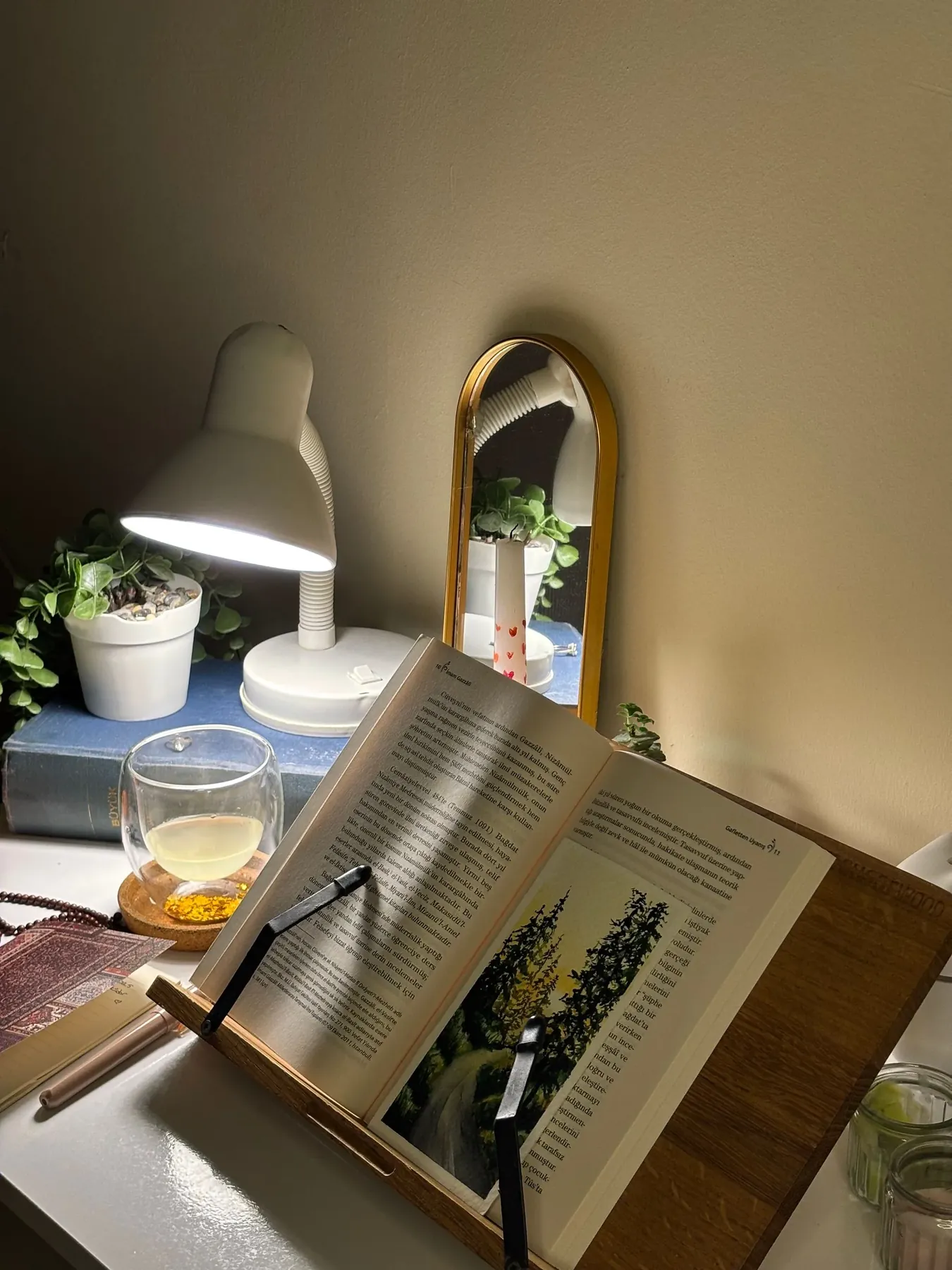
You finally have an empty hour. Instead of enjoying it, you notice the washing, an unanswered email, a cupboard that could be sorted and the vague feeling that other people are being more useful. Your body is on the sofa, but your mind is standing over you with a clipboard.
Guilt about relaxing does not mean you are lazy. It often grows from messages about usefulness, responsibility and what makes a person worthy. If you have spent years being the reliable one, doing nothing visible can feel unsafe or selfish—even when you are plainly tired.
This article offers a practical way to understand productivity guilt and rebuild rest in small doses. The goal is not to turn relaxation into another optimisation project. It is to let recovery become an ordinary part of being human.
Why this can happen
You learnt that being busy is admirable
Families, workplaces and social media can praise constant effort while treating tiredness as a personal weakness. Those messages can become an internal rule.
Your value has become tangled with usefulness
If appreciation arrived mainly when you helped, achieved or coped, being unproductive may stir the fear that you matter less.
You carry an invisible workload
Planning meals, remembering birthdays and anticipating needs are real work, yet they rarely look “finished”. You may discount this effort and deny yourself recovery.
Rest brings quieter feelings to the surface
Busyness can keep worry, sadness or loneliness at a distance. When activity stops, the feelings become easier to hear, so another task seems safer.
Perfectionism keeps moving the finish line
There is always one more useful action. If rest requires a completely clear list, the permission never arrives.
Common signs you may recognise
Rest guilt can look active and responsible from the outside. Inside, it often shows up in these small ways:
- choosing chores whenever you get an unplanned break
- scrolling while tense because intentional rest feels undeserved
- explaining or defending why you took time off
- feeling irritated when other people relax easily
- waiting until you are ill or exhausted before stopping
- turning hobbies into targets, streaks or side projects
- thinking about work throughout evenings and weekends
None of these makes you a bad self-carer. They show that your mind currently trusts exhaustion as a reason to stop more than it trusts need.
Why it can feel so overwhelming
Guilt is persuasive because it sounds moral: “I should be helping” or “I am wasting time.” Yet a feeling of wrongdoing is not always evidence of wrongdoing. Sometimes it appears because you have broken an old rule, not because you have harmed anyone.
There may also be a physical mismatch. A stressed body can remain restless when you first sit down, which makes the break feel wrong. You may need a transition—walking slowly, showering, stretching or making tea—before stillness becomes tolerable.
Finally, rest is often pictured as a perfect, peaceful state. Real rest can include fidgeting, unfinished thoughts and a few minutes of discomfort. It still counts.
Run a rest experiment instead of asking permission
Choose one twenty-minute period and write down three things before it begins: your energy from zero to five, the task you are deliberately leaving and what you expect will go wrong because you paused. Keep the prediction specific. “I will feel lazy” is a feeling; “the kitchen will become unmanageable” is a testable prediction.
During the twenty minutes, do one restorative thing that does not produce an achievement: sit in the garden, listen to an album side, lie down with the radio or drink tea without answering messages. Guilt may accompany you. The experiment does not require relaxation to feel peaceful.
Afterwards, record what actually happened. Perhaps the kitchen remained the same, your energy rose by one point and guilt peaked after five minutes. This gives your mind lived evidence that stopping has consequences smaller and more mixed than the old rule suggests.
- Predict: name the feared practical consequence.
- Pause: choose twenty minutes with a clear ending.
- Observe: let guilt be present without turning the break into work.
- Compare: write the actual result beside the prediction.
The difference between avoiding a responsibility and taking a pause
Rest guilt often claims every pause is avoidance. Context provides a fairer test.
Ask what the task genuinely requires
If a form is due at noon and you repeatedly watch television instead of opening it, a ten-minute start may reduce the stress more than another hour of uneasy rest. If the form is due next week and you have worked all day, stopping tonight is not the same pattern.
Look at deadline, consequence, current capacity and whether a next action has a place. Intentional rest can sit beside responsibility: “The form is in my diary for Tuesday at six; tonight I am finished.” The point is not to use rest to escape every difficult task, or productivity to escape every need for recovery.
Things that may help today
1. Choose a defined pause
Set aside ten minutes with a clear beginning and end. A small boundary can feel safer than an open-ended instruction to “relax”.
2. Answer the guilt accurately
Try: “I feel guilty because I am stopping, not because stopping is wrong.” Use plain language rather than an inspirational affirmation you do not believe.
3. Pick active rest if stillness jars
Water plants, take a gentle walk, cook something simple or listen to music while lying on the floor. Recovery need not look motionless.
4. Leave one harmless task unfinished
Choose something that can safely wait until tomorrow. Let the unfinished task exist beside your evening without repeatedly renegotiating it.
5. Remove the need to justify
If someone asks about your weekend, practise saying, “I had a quiet one,” without adding a list of chores to prove you were productive.
6. Check the basic evidence
Ask how your concentration, patience and body feel. These are better guides to a need for rest than whether your list is empty.
What can quietly keep the pattern going
Calling scrolling “rest” when it leaves you wired
Automatic phone use can fill time without giving your attention a genuine break.
Saving all recovery for holidays
Occasional escape cannot fully replace small pauses during ordinary weeks.
Comparing workloads
Someone else being busy does not cancel your own tiredness or create a moral ranking of rest.
Making relaxation productive
Tracking every bath, walk or book can reproduce the pressure you were trying to leave.
Small steps to try this week
Think of the week as practice in stopping before you have irrefutable proof of exhaustion. Pick a modest experiment, not a total lifestyle overhaul.
Schedule two recovery appointments
Put two twenty-minute pauses in the calendar and protect them with the same seriousness as a minor errand.
Make a personal rest menu
List quiet, social, creative and physically soothing options so you can choose what fits your energy.
Notice inherited language
Write down phrases such as “don’t be lazy” or “make yourself useful” and ask whose voice or values they reflect.
Define enough for one day
Choose three genuinely important tasks. When they are done—or deliberately rescheduled—let that be today’s finish line.
When to seek extra support
Talk with a GP or mental health professional if you feel unable to stop, your sleep is persistently affected, you are becoming physically unwell, or anxiety and low mood are making everyday life difficult. Long periods of pressure can have emotional and physical effects; you do not need to wait for complete burnout before asking for help.
If guilt is rooted in a controlling relationship or a workplace where reasonable breaks are punished, individual coping tips are not the whole answer. Consider trusted support, your employer’s wellbeing or HR route where safe, a union, or an appropriate advice service.
If you are in immediate danger or feel unable to keep yourself safe, call 999 or go to A&E. You can also call Samaritans free on 116 123, at any time, if you need someone to listen.
Helpful next steps on Loving Myself
- Read the Self-Care Guide for realistic care that does not require a perfect routine.
- Use the Morning Routine Guide to build recovery into the day before the list takes over.
- Explore the Confidence Guide if worth and achievement feel tightly linked.
Frequently asked questions
Is it normal to feel guilty when resting?
It is common, especially in people who are conscientious, caring or used to high pressure. Common does not mean inevitable. The feeling can become less commanding when you practise planned pauses and question the rule beneath it.
How can I relax when chores still need doing?
Choose what is time-sensitive, decide when the rest will be handled and allow a specific pause. A home is an ongoing system, not a project that reaches permanent completion. Rest can happen alongside an ordinary level of unfinished life.
What if my partner thinks I am lazy?
Talk about visible and invisible work at a calm time and agree a fairer division. Everyone needs downtime. If criticism is contemptuous, controlling or makes you afraid, seek support from someone you trust rather than treating it only as a self-care problem.
Does watching television count as rest?
It can, if it helps your body or attention settle. Notice how you feel afterwards rather than following a universal rule. Sometimes television is restorative; sometimes a short walk, conversation or earlier bedtime meets the need better.
A gentle conclusion
Feeling guilty for relaxing often means you are crossing an old boundary between being useful and being worthy. The guilt may arrive before your new understanding feels natural. You do not need to eliminate it before taking a break.
Begin with ten intentional minutes and one unfinished, non-urgent task. Let your body learn that stopping is not a crisis and your relationships do not depend on constant output. A sustainable life includes effort, care, pleasure and pauses between them.
Sources and further reading
- NHS Every Mind Matters: support for stress and mental wellbeing
- NHS Every Mind Matters: making mental wellbeing part of your routine
This article offers general wellbeing information and is not a substitute for personalised medical advice, diagnosis or treatment.